Comparing Value: New Developments vs Historic Buildings


Understanding the Appeal of New Developments
When it comes to choosing between new developments and historic buildings, the decision often hinges on a variety of factors, including modern amenities, energy efficiency, and design aesthetics. New developments are typically equipped with state-of-the-art facilities, offering conveniences that cater to today’s lifestyle. Features like smart home technology, open floor plans, and sustainable building materials are common attractions.
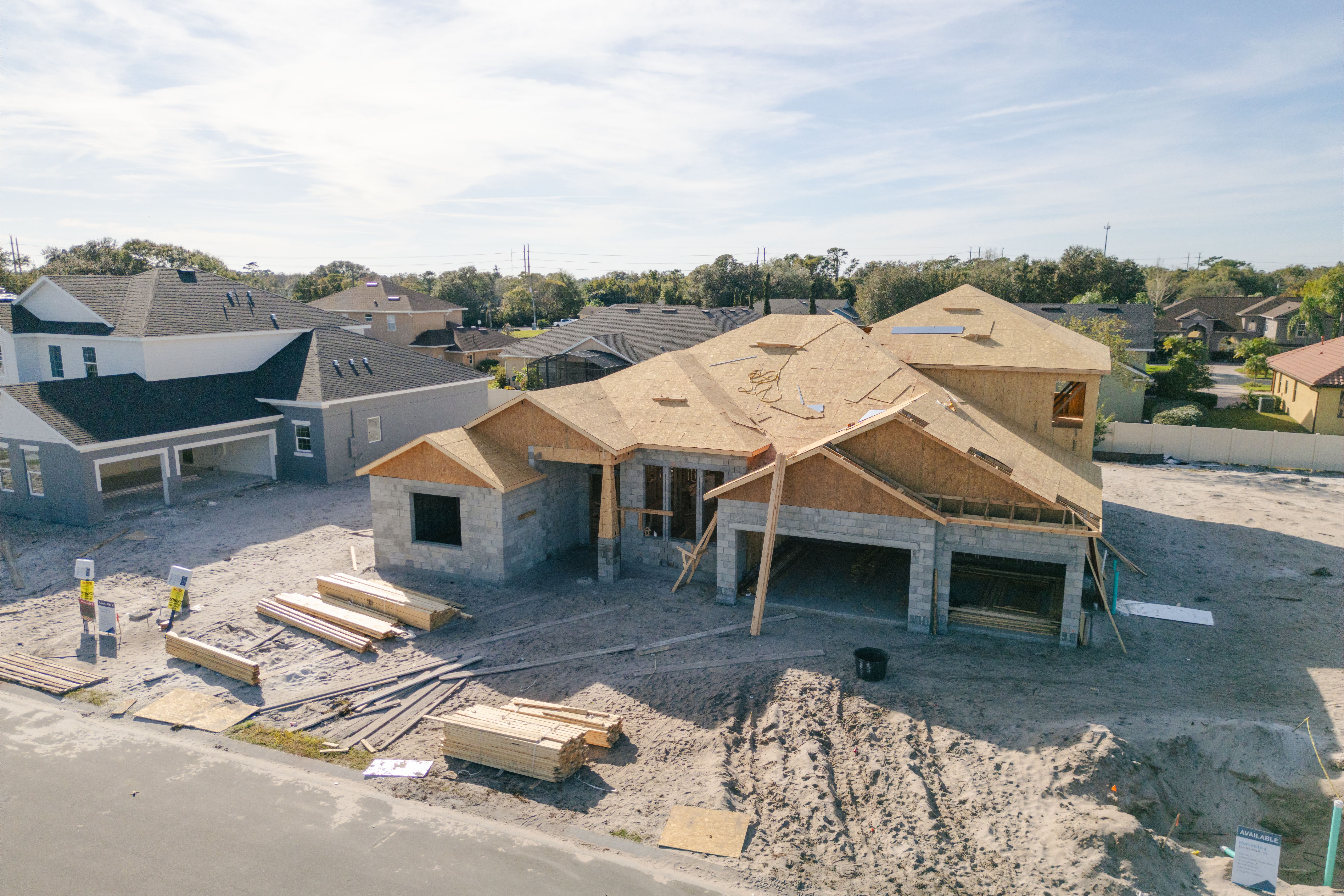
Moreover, new constructions often come with the promise of lower maintenance costs. With everything being brand new, from the plumbing to the roof, homeowners can expect fewer repairs in the initial years. This aspect is particularly appealing to those who prioritize convenience and predictability in home ownership.
Energy Efficiency and Sustainability
One of the most compelling advantages of new developments is their focus on energy efficiency. Modern building codes require the incorporation of energy-saving technologies, which can lead to significant savings on utility bills. Solar panels, energy-efficient windows, and advanced insulation are often standard features.
Furthermore, developers are increasingly using sustainable materials and practices to reduce the environmental impact. This commitment to sustainability not only benefits the planet but also enhances the property’s value, appealing to eco-conscious buyers.
The Charm of Historic Buildings
On the other side of the spectrum, historic buildings offer a unique charm and character that new developments often lack. These properties are rich in history and architectural details, providing a sense of nostalgia and timeless elegance. For many, living in a historic building is about owning a piece of history.

Historic buildings are often located in established neighborhoods with mature landscapes, offering a sense of community and stability. These areas may also have better access to cultural amenities, transportation, and city centers, making them highly desirable for those who value location over modern features.
Investment Potential and Appreciation
Investing in historic buildings can be lucrative due to their limited supply and unique appeal. These properties often appreciate well, especially if they are in a desirable location. Additionally, there may be tax incentives available for preserving and maintaining historic properties, providing financial benefits to owners.
However, it’s important to consider the potential challenges. Historic buildings may require significant upkeep and renovations to meet modern safety standards and conveniences. This can result in higher maintenance costs compared to new developments.
Making the Right Choice
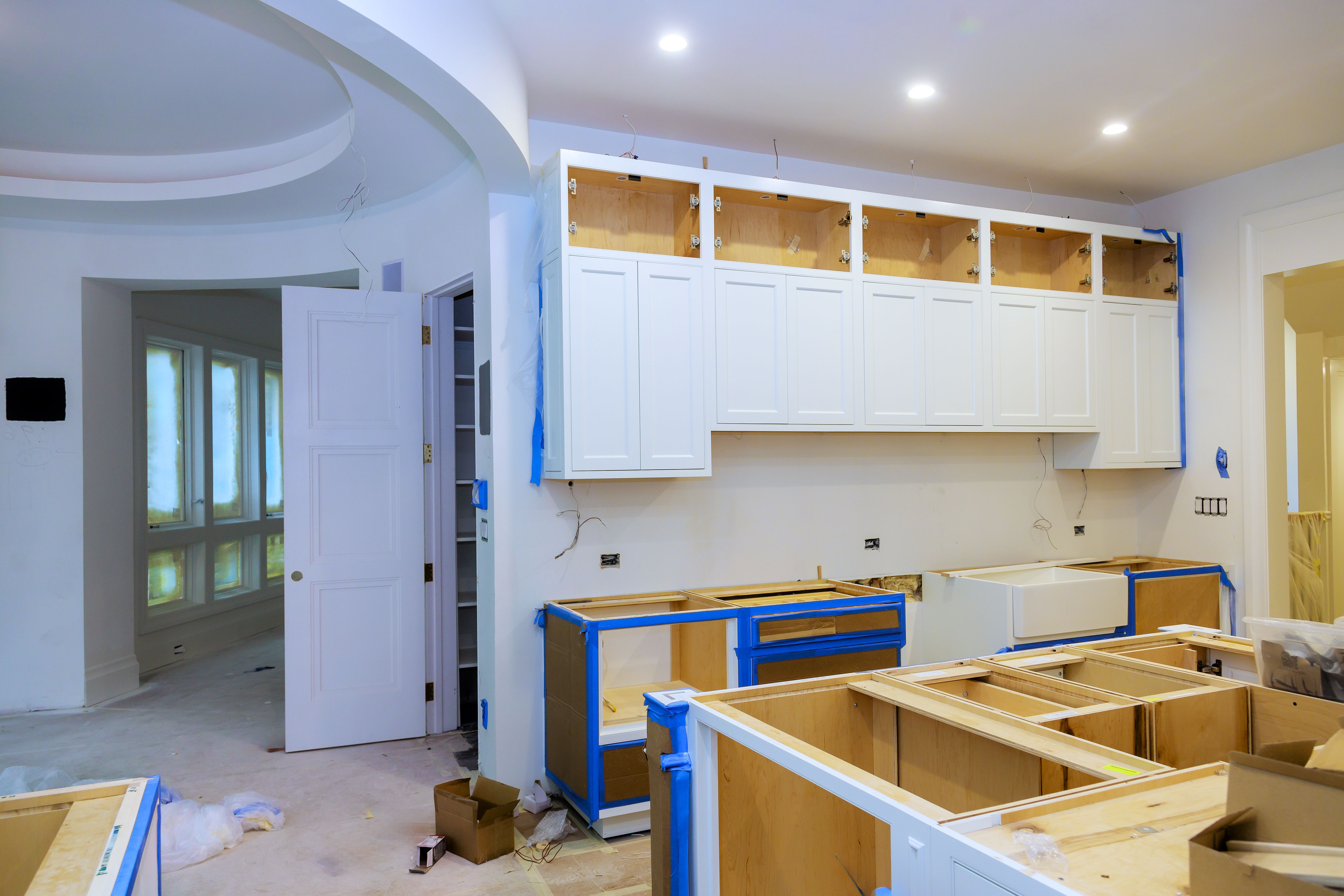
Ultimately, the decision between new developments and historic buildings depends on individual preferences and priorities. If modern amenities, energy efficiency, and low maintenance are top priorities, new developments might be the right choice. Conversely, if charm, location, and historical significance hold more value, a historic building could be the perfect fit.
Both options have their unique benefits and drawbacks, and understanding these can help buyers make informed decisions that align with their lifestyle and investment goals. Whether you choose the sleek modernity of a new development or the enduring charm of a historic building, both offer unique opportunities for creating a home.