Evaluating Milan's Strength in Italy's Real Estate Market


Introduction to Milan's Real Estate Market
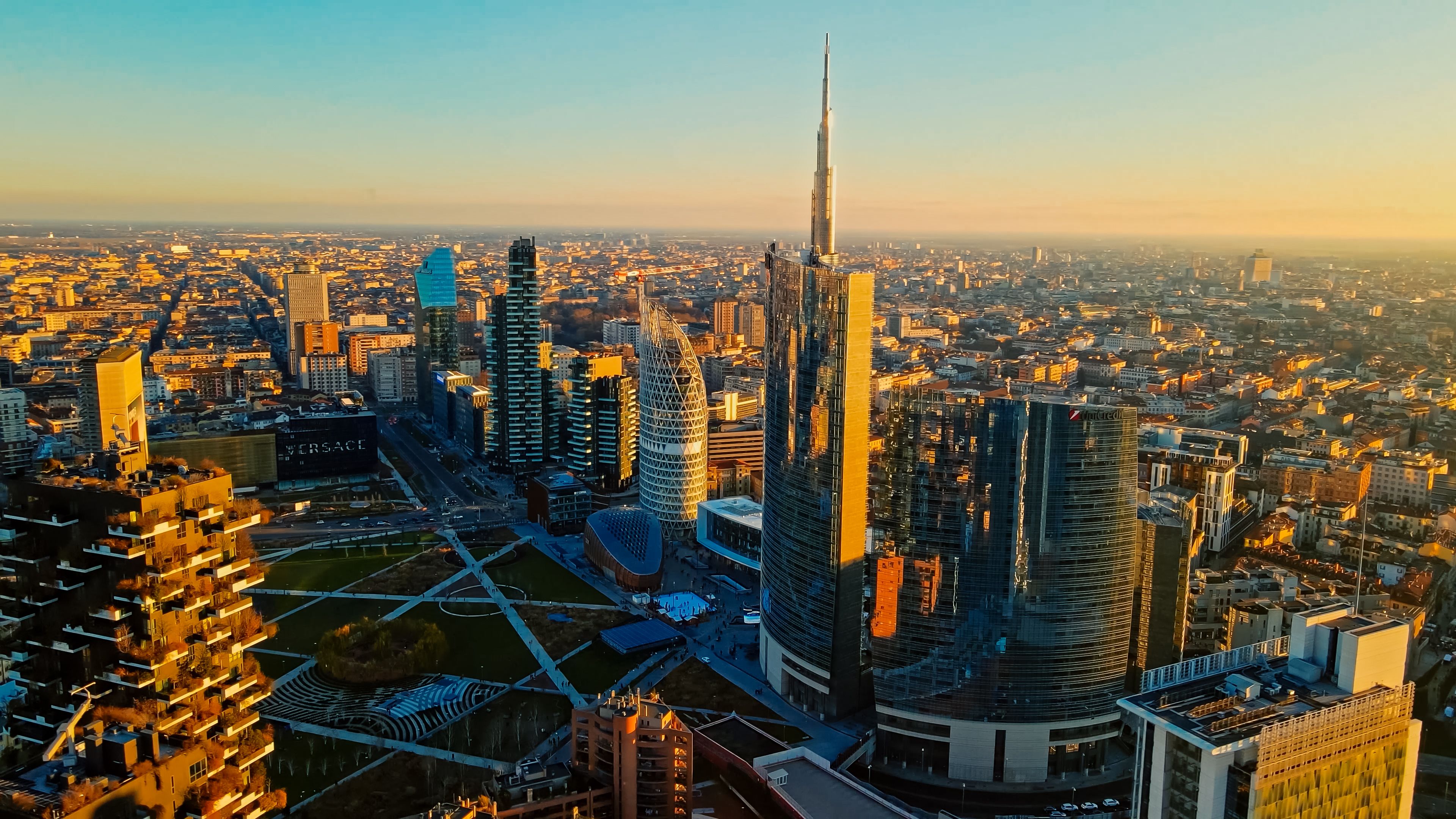
Milan, Italy's bustling economic hub, is renowned for its rich history, culture, and influence in fashion and design. Over the past few decades, it has also become a focal point in the country's real estate market. This vibrant city offers a unique blend of historical charm and modern innovation, making it a magnet for investors and homebuyers alike.
Economic Factors Driving Demand
The economic landscape of Milan plays a significant role in its real estate market strength. As the financial center of Italy, Milan hosts numerous multinational corporations, banks, and startups. This economic activity fuels demand for both residential and commercial properties. The city's GDP growth and low unemployment rate further bolster investor confidence.
Another critical factor is Milan's strategic location in Europe, which makes it a gateway for international businesses seeking to establish a presence in the region. This influx of global talent increases the demand for high-quality housing, pushing up property prices and enhancing the city's real estate appeal.
Trends in Residential Properties
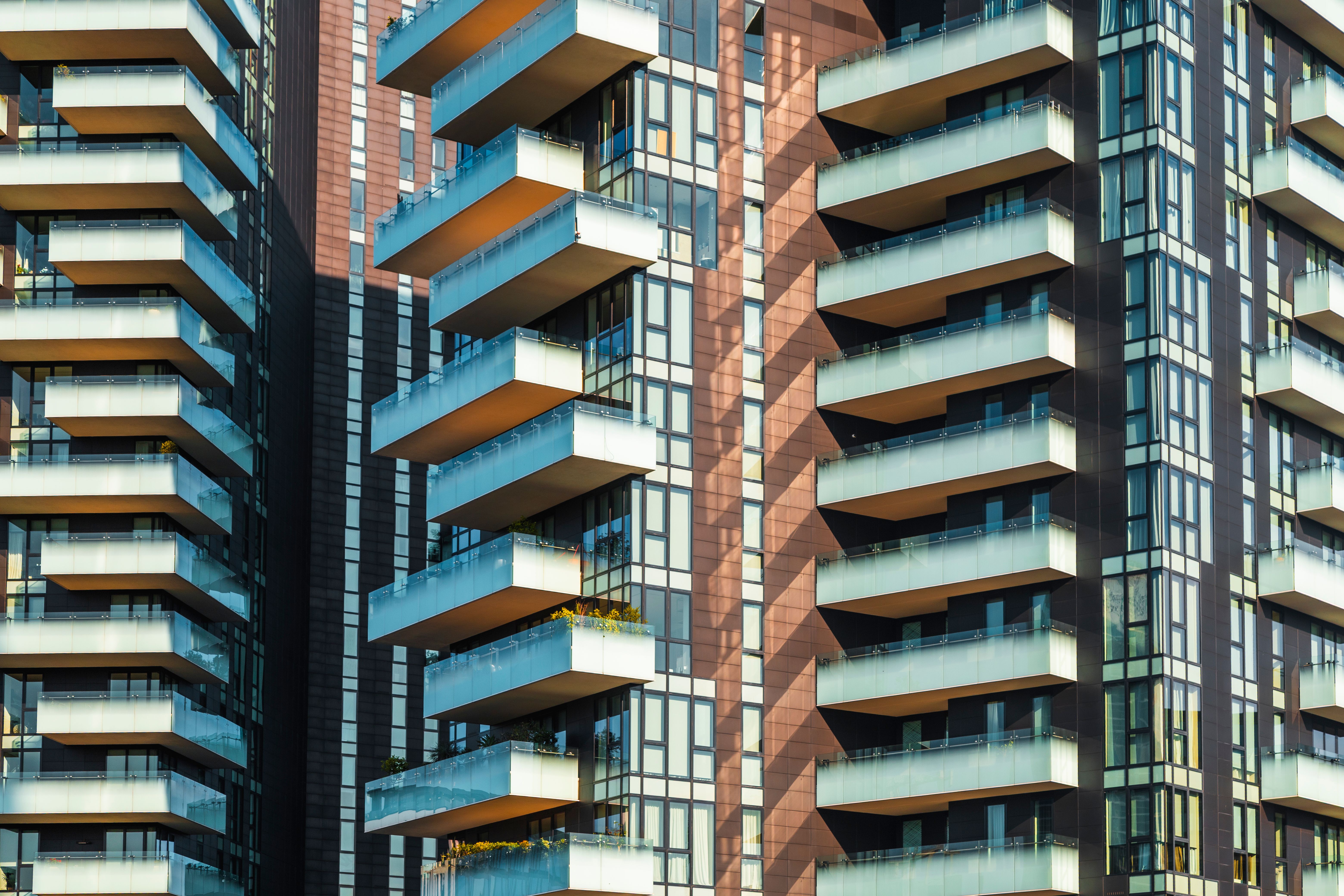
Milan's residential real estate market is characterized by a mix of luxury apartments, historic buildings, and modern developments. The city's diverse neighborhoods offer something for everyone, from the upscale Brera district to the vibrant Navigli area. In recent years, there has been a noticeable shift towards sustainable and eco-friendly housing solutions, reflecting a broader global trend.
Investors are particularly interested in properties near educational institutions and transport hubs, which promise higher rental yields. The demand for short-term rental properties has also surged, driven by the city's popularity as a tourist destination.
Commercial Real Estate Opportunities
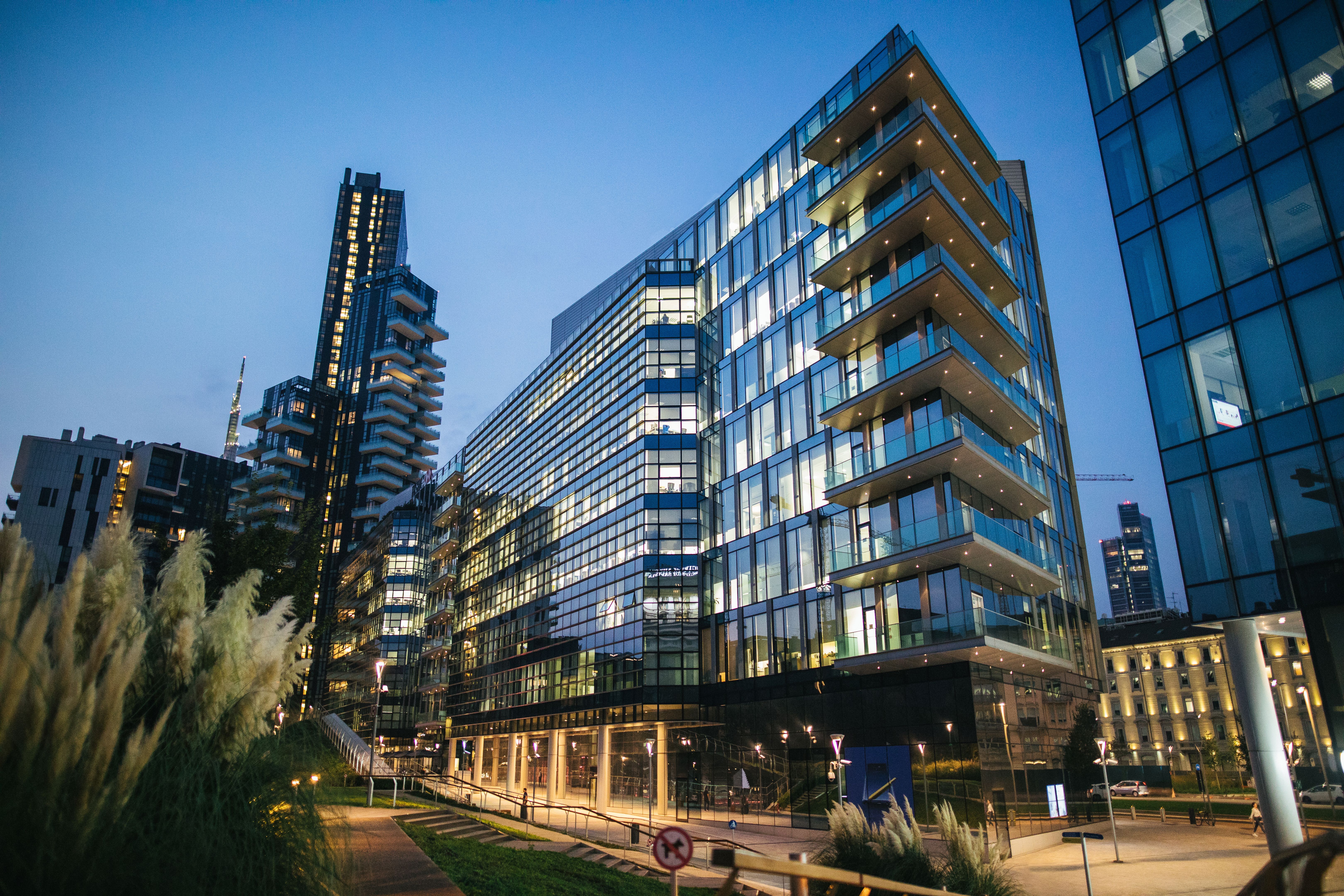
Milan's commercial real estate sector is equally robust, supported by a thriving business environment. The city is home to cutting-edge office spaces, retail outlets, and industrial facilities. Areas such as Porta Nuova and CityLife have undergone significant redevelopment, attracting major international brands and corporations.
The rise of co-working spaces in Milan reflects the changing nature of work, catering to freelancers, entrepreneurs, and remote workers. As businesses continue to adapt to new work models, flexible office solutions are in high demand.
Challenges and Considerations
Despite its strengths, Milan's real estate market faces several challenges. High property prices can be a barrier for first-time buyers and smaller investors. Additionally, the market's competitiveness means that potential buyers and renters must act quickly to secure desirable properties.
Regulatory changes and economic fluctuations also pose risks. Investors must stay informed about local laws and market conditions to make sound decisions. Engaging with local real estate experts can provide valuable insights and guidance.
Future Outlook
The future of Milan's real estate market looks promising, with continued growth expected in both residential and commercial sectors. The city's commitment to innovation and sustainability will likely attract further investment. Major infrastructure projects, such as new metro lines and smart city initiatives, are set to enhance connectivity and livability, adding to Milan's allure.
In conclusion, Milan stands out as a strong player in Italy's real estate market. Its blend of economic vitality, cultural richness, and strategic location makes it an attractive destination for investors and homebuyers seeking long-term value.