Fashion Week's Influence on the Rental Market


The Intersection of Fashion and Real Estate
Fashion Week is not just a glamorous event for fashion enthusiasts; it also has a significant impact on various industries, including the real estate market. One of the most noticeable influences is on the rental market, particularly in fashion capitals like New York, Paris, and Milan. During these events, the demand for temporary accommodation skyrockets, creating a ripple effect in the rental sector.
When Fashion Week descends upon a city, it brings with it a surge of designers, models, journalists, and fashion aficionados. This influx of people creates a high demand for short-term rentals. Apartments and homes in close proximity to event venues become hot commodities, often rented at a premium price.

Short-Term Rentals: A Lucrative Opportunity
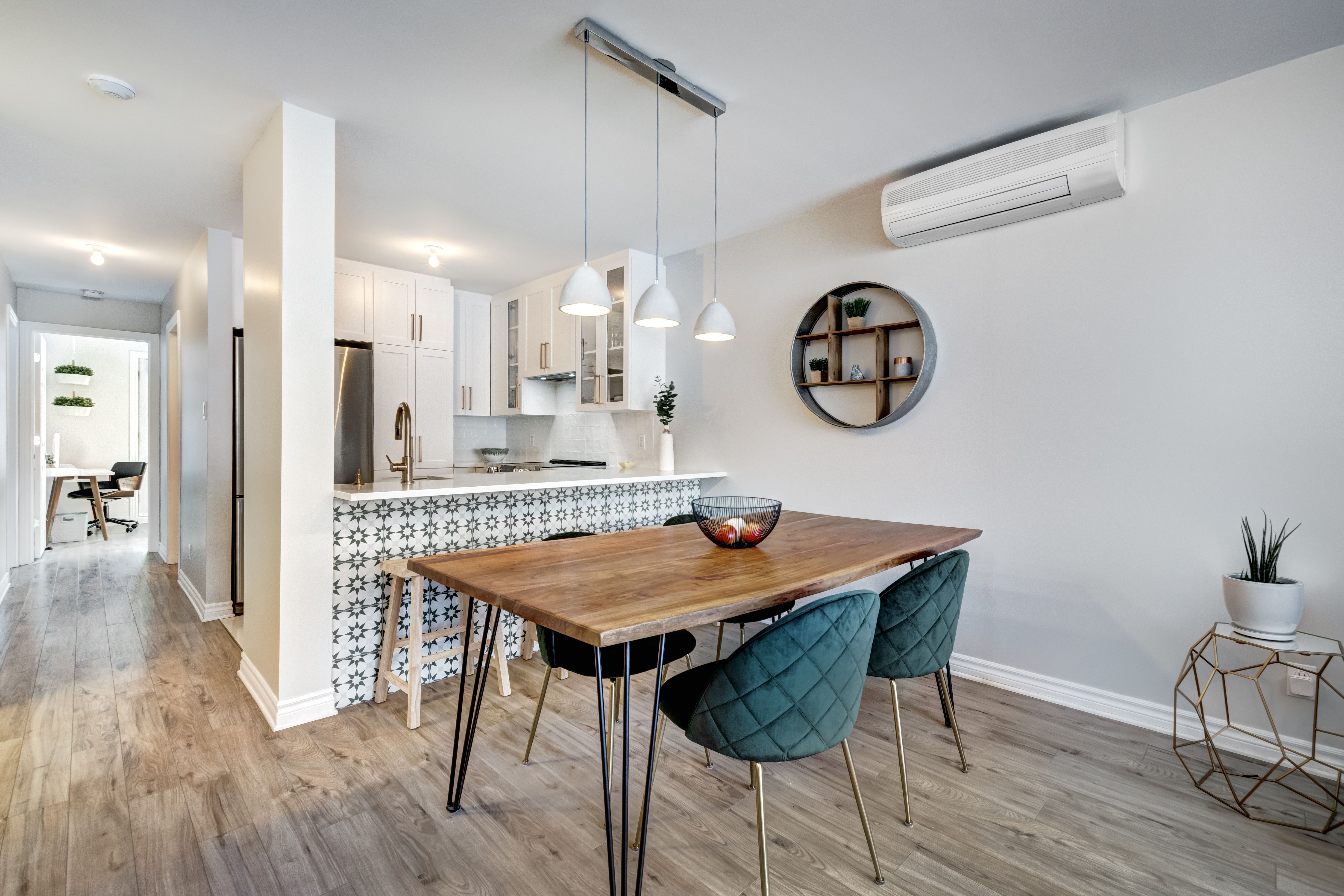
For property owners, Fashion Week presents a lucrative opportunity. Many capitalize on the event by listing their properties on platforms like Airbnb. They often see a substantial increase in rental income, as guests are willing to pay more for convenience and proximity to the action. The demand is so high that even properties slightly outside the city center can benefit from increased interest.
This trend is not limited to luxury accommodations. Even budget-friendly options see higher occupancy rates, as attendees look for more affordable lodging while still wanting to experience the event. As a result, the rental market becomes temporarily saturated with listings, offering a wide range of choices for visitors.
Impacts on Local Communities
While the financial benefits for property owners are clear, the influx of temporary residents can also have implications for local communities. The sudden spike in rental prices can make it difficult for long-term residents to find affordable housing. Some cities have introduced regulations to manage short-term rentals, aiming to balance the interests of both property owners and local residents.
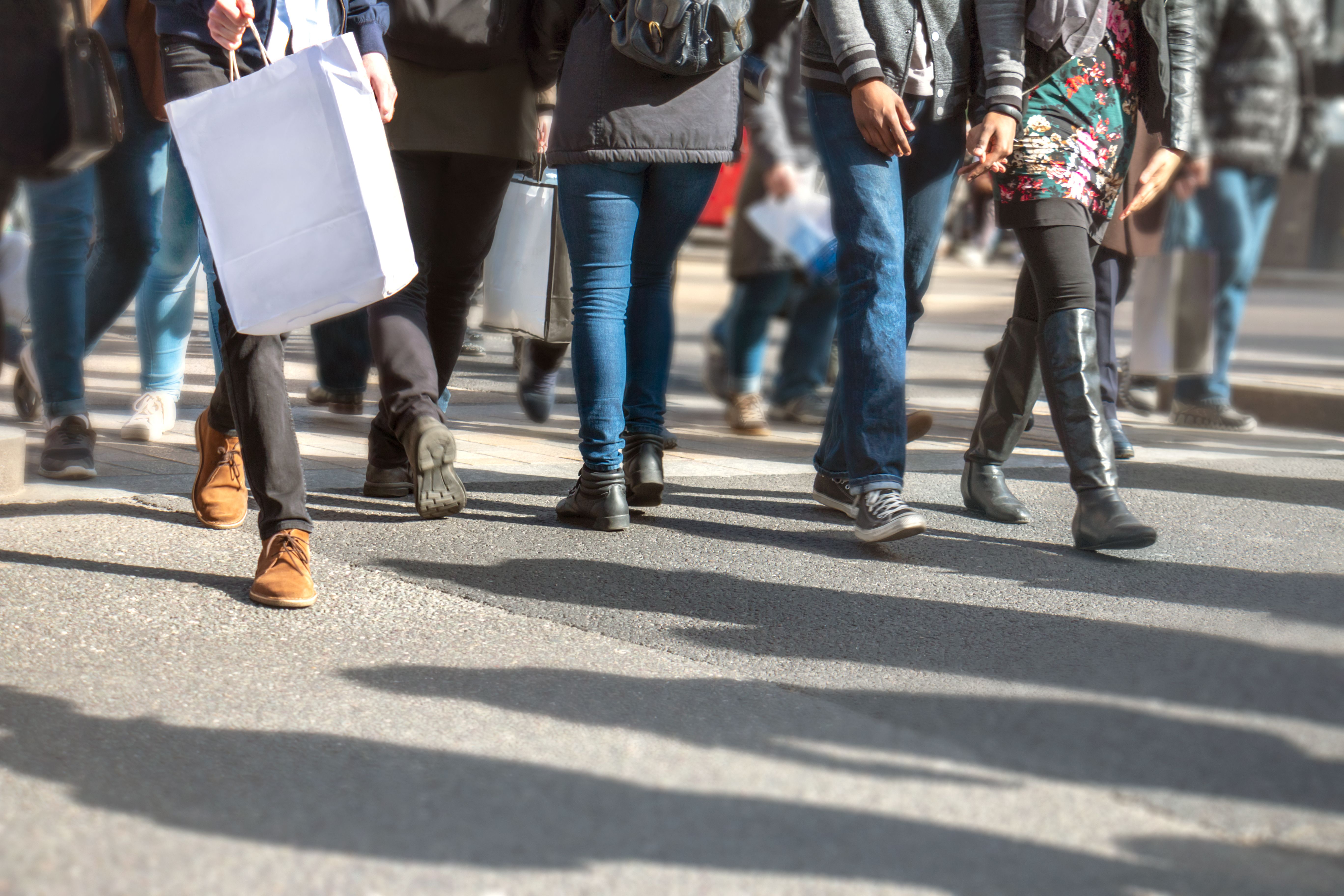
Moreover, Fashion Week can also boost local economies. With more people visiting, local businesses such as restaurants, cafes, and shops experience increased foot traffic and sales. This economic boost can be a welcome change for many business owners.
The Future of Fashion Week's Influence
As Fashion Week continues to evolve, so too does its impact on the rental market. With the rise of digital fashion shows and virtual events, the need for physical presence may decrease, potentially altering the traditional rental market dynamics. However, the allure of experiencing Fashion Week in person is unlikely to disappear entirely.
In the future, cities hosting Fashion Week may need to adapt and find ways to accommodate the influx of visitors while ensuring the local community's needs are met. This could involve new regulations, infrastructure improvements, or innovative rental solutions.
Ultimately, Fashion Week's influence on the rental market underscores the interconnectedness of global industries. It's a vivid example of how fashion, real estate, and community interests can intersect, creating both challenges and opportunities for those involved.