Reviving Tradition: Classic Milanese Architecture


The Charm of Classic Milanese Architecture
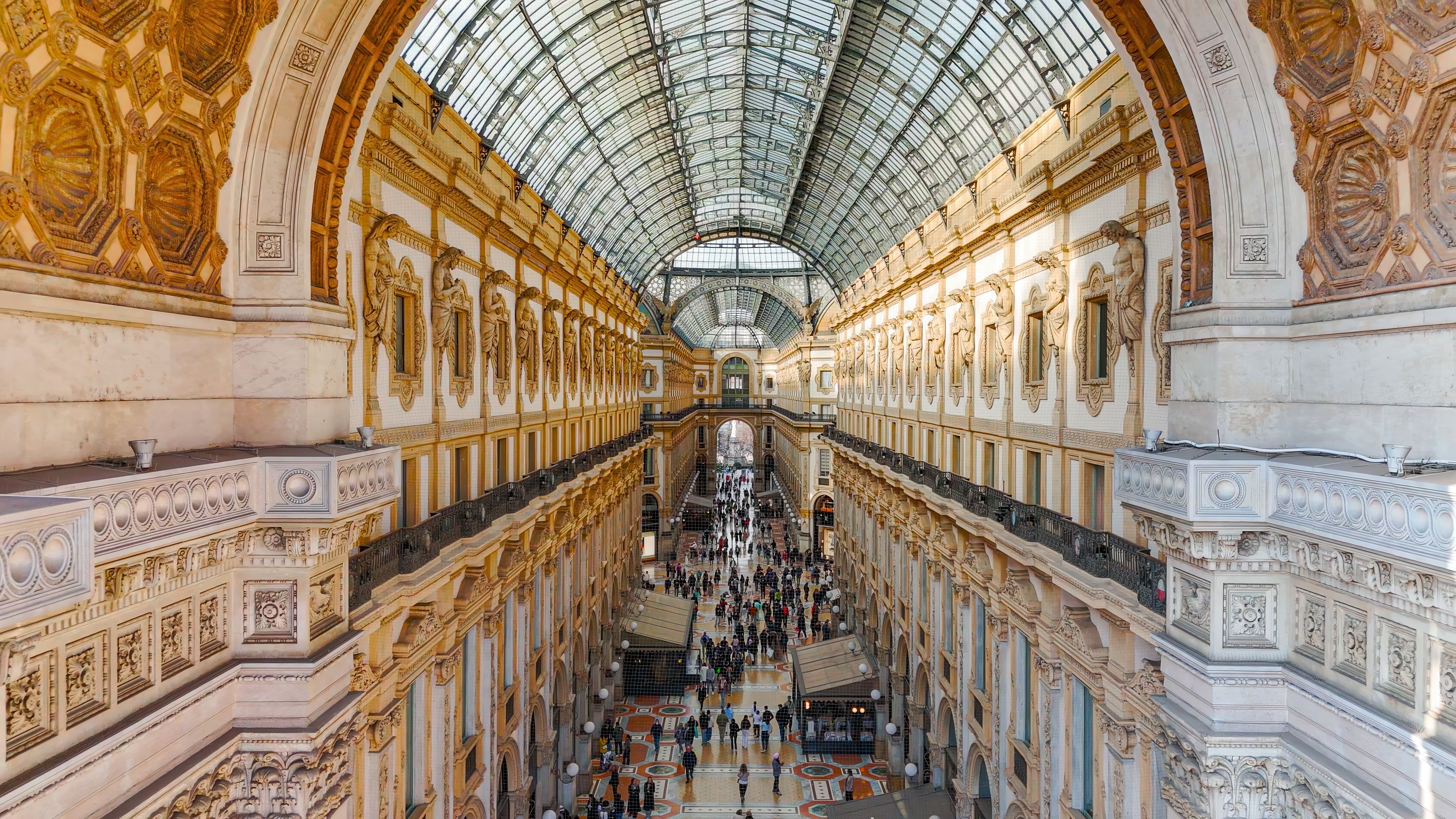
Milan, a city renowned for its fashion and design, also boasts a rich architectural heritage that reflects its storied past. Classic Milanese architecture is an exquisite blend of styles, each telling a unique story of the city's evolution. From the Gothic spires of the Duomo to the neoclassical grandeur of Teatro alla Scala, these structures are a testament to Milan's enduring legacy.
The revival of classic Milanese architecture involves a renewed appreciation for these historical gems. As urban development surges, preserving the city's architectural identity has become more crucial than ever. This movement not only safeguards Milan's history but also enriches its cultural landscape.
The Influence of Gothic and Renaissance Styles
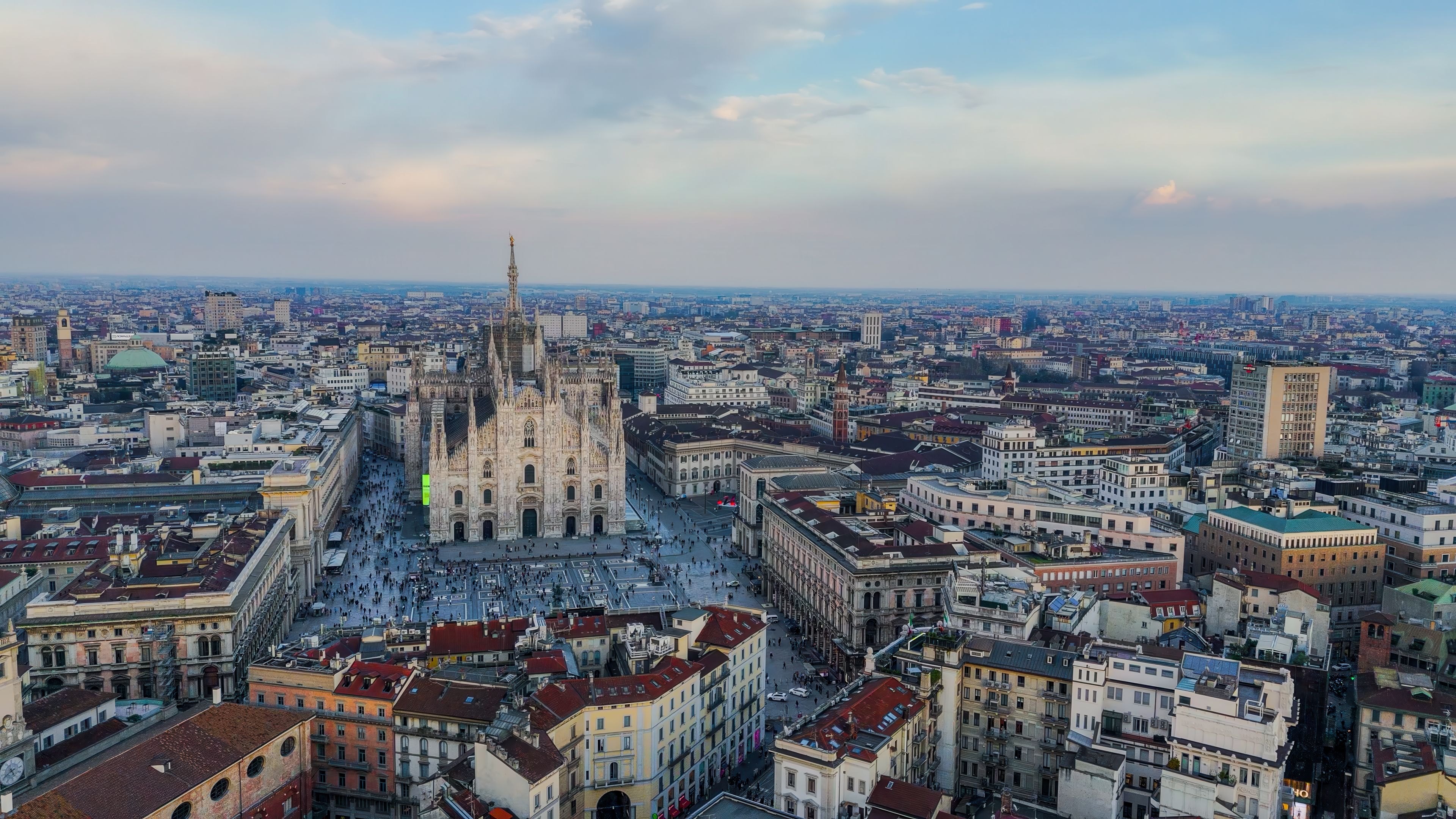
Milan's architectural identity is profoundly shaped by the Gothic and Renaissance periods. The Milan Cathedral, or Duomo di Milano, stands as a quintessential example of Gothic architecture. Its intricate façade and towering spires captivate both locals and tourists alike. The cathedral's construction spanned nearly six centuries, resulting in a masterpiece that blends various influences.
During the Renaissance, architecture in Milan took on new forms. The introduction of symmetry, proportion, and geometry led to the creation of harmonious structures. Buildings like Santa Maria delle Grazie, home to da Vinci's "The Last Supper," epitomize this era's architectural brilliance.
Preservation and Restoration Efforts
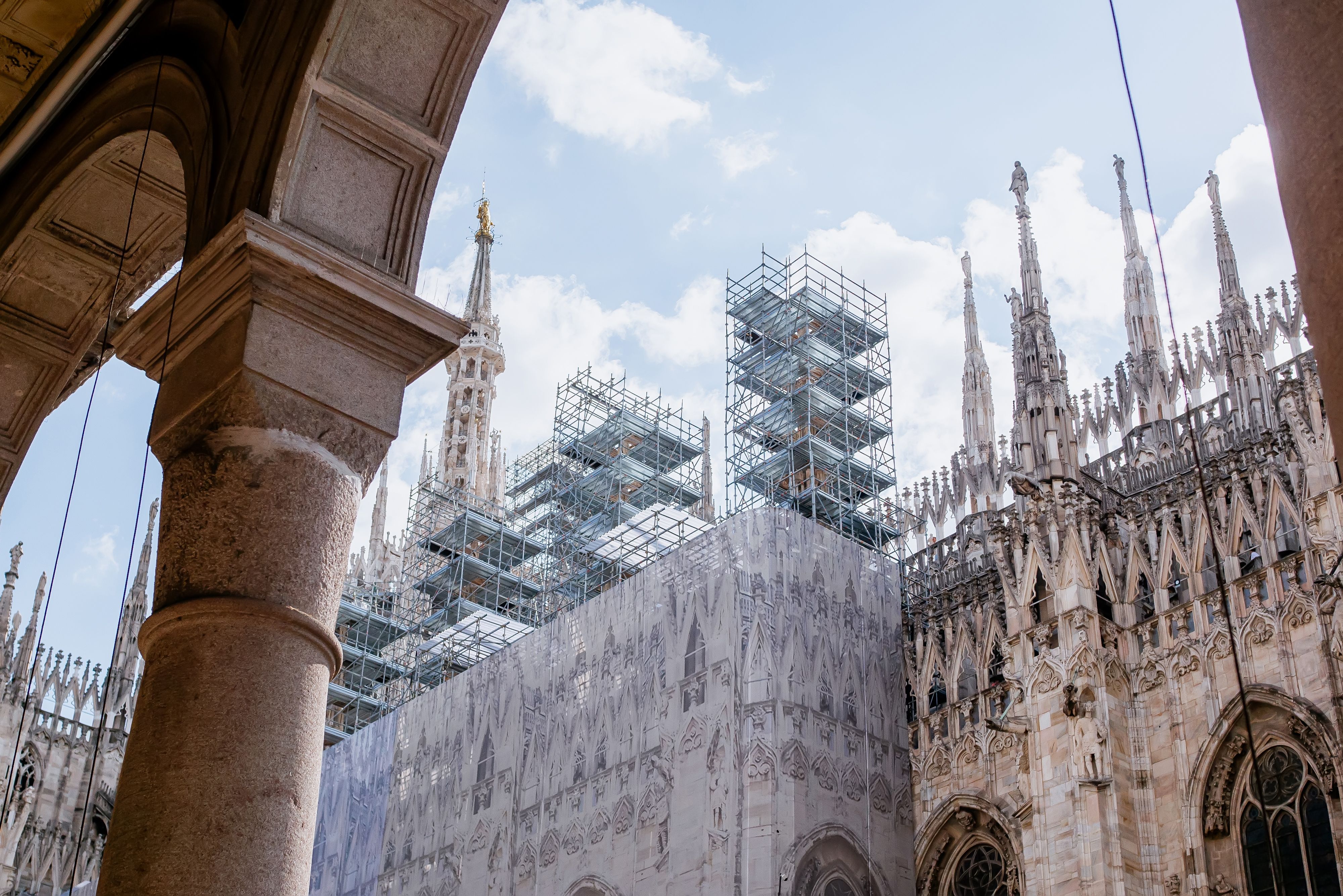
Preserving classic Milanese architecture is not just about maintaining old facades; it's about breathing new life into these structures. Restoration projects aim to retain the original charm while integrating modern amenities. This delicate balance ensures that historical buildings remain functional and relevant in today's world.
Several organizations are dedicated to these preservation efforts. They work closely with architects and historians to restore buildings authentically. This process often involves meticulous research and the use of traditional materials and techniques.
The Role of Modern Architecture
While classic architecture holds a revered place in Milan, the city is also a hub for contemporary design. Modern architects draw inspiration from historical styles, creating structures that pay homage to the past while embracing innovation. This fusion of old and new defines Milan's dynamic skyline.
Modern buildings often feature elements like clean lines and glass facades that complement the city's historic structures. This approach not only enhances the visual appeal but also promotes a dialogue between different architectural eras.
The Cultural Significance
Classic Milanese architecture is more than just visually stunning; it is deeply woven into the cultural fabric of the city. These buildings serve as venues for art, music, and community gatherings, fostering a sense of identity and continuity. They are living monuments that connect Milan's present with its storied past.
As residents and visitors engage with these architectural treasures, they gain a deeper appreciation for Milan's history and culture. This connection is vital for preserving the city's unique character and ensuring its legacy endures for future generations.
Conclusion: A Legacy Worth Protecting
Reviving tradition in Milan through classic architecture is a celebration of the city's rich history and cultural heritage. By preserving and restoring these iconic structures, Milan not only honors its past but also enriches its future. The harmonious blend of old and new ensures that the city's architectural legacy continues to inspire and captivate all who visit.
As Milan moves forward, it remains a beacon of architectural excellence, showcasing a timeless elegance that resonates across generations. The revival of classic Milanese architecture is a testament to the enduring power of design and the profound impact it has on our lives.