The Importance of Energy Ratings in Milan's Sustainable Homes


Understanding Energy Ratings
In the quest for sustainability, energy ratings have become a key component in evaluating the efficiency of homes, especially in cities like Milan. Energy ratings provide a quantitative measure of a building's energy performance and are critical for homeowners looking to improve energy efficiency. These ratings help identify how much energy a home uses, its environmental impact, and where improvements can be made.
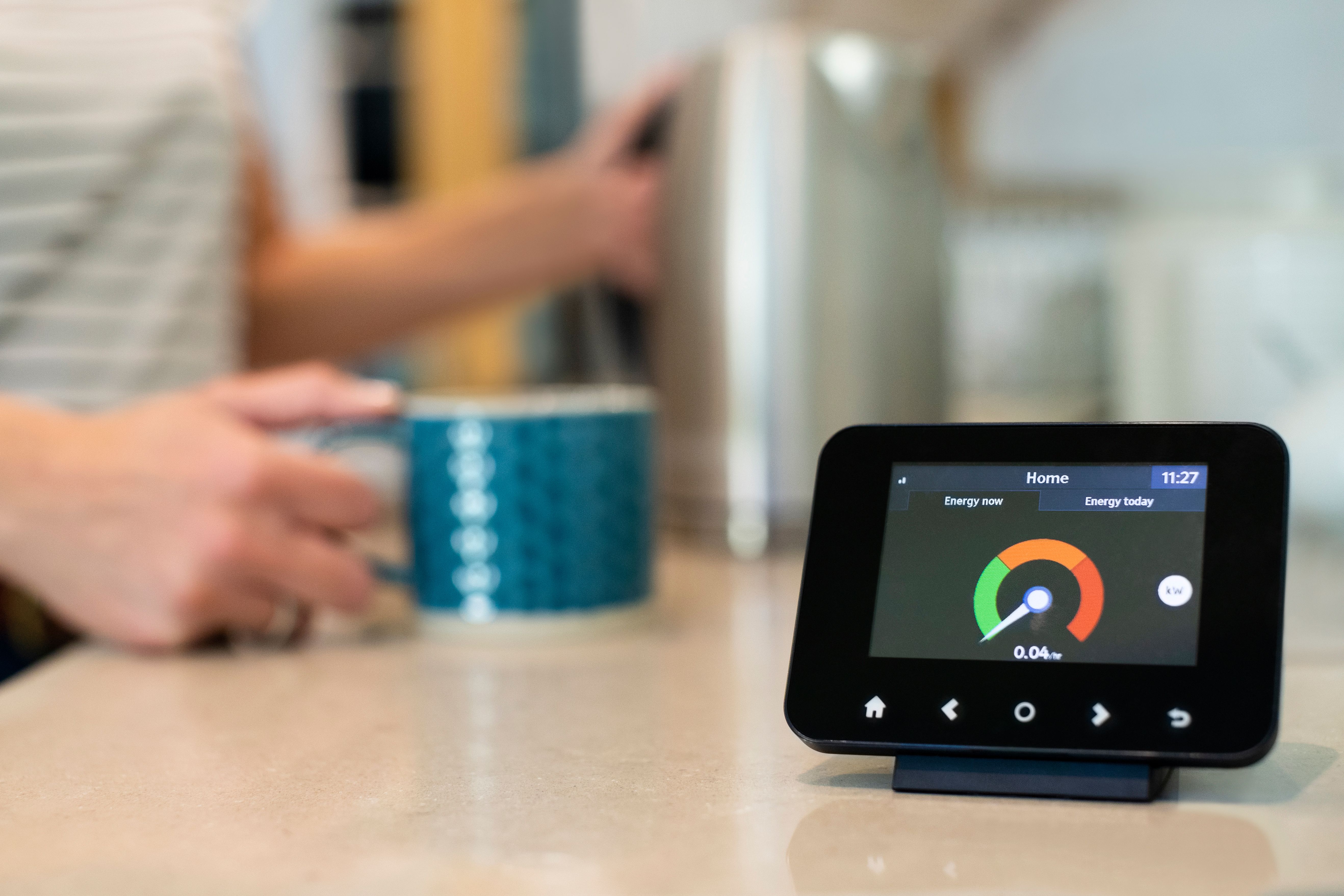
The ratings are usually expressed in a scale, with higher ratings indicating better energy efficiency. This scale allows homeowners to gauge their home's performance compared to others and make informed decisions about energy-saving investments.
Why Energy Ratings Matter
Energy ratings are not just numbers; they have a significant impact on the environment and personal finances. By understanding a home's energy consumption, homeowners can take steps to reduce their carbon footprint. This is especially important in urban areas like Milan, where reducing energy consumption can contribute to a healthier city environment.
Moreover, investing in energy-efficient upgrades can lead to substantial cost savings. Homeowners can enjoy lower utility bills, making energy ratings an essential factor in financial planning for sustainable living.
Impact on Property Value
Energy ratings can also influence the market value of a property. Homes with high energy ratings are often more attractive to buyers, as they promise lower future energy costs and a reduced environmental impact. In a competitive real estate market, energy efficiency can be a decisive factor in closing a sale.

How to Improve Energy Ratings
Improving energy ratings involves several potential upgrades and changes. Homeowners can consider the following steps to enhance their home's energy efficiency:
- Install high-quality insulation to reduce heat loss.
- Upgrade to energy-efficient windows and doors.
- Use energy-efficient appliances and lighting.
- Invest in renewable energy sources like solar panels.
These improvements not only boost the energy rating but also enhance overall comfort and reduce environmental impact.
Regulations and Incentives
Milan, like many other cities, offers various incentives to encourage homeowners to improve their energy ratings. These can include tax breaks, grants, or subsidies for energy-efficient renovations. Understanding and leveraging these incentives can significantly reduce the cost of upgrades and enhance the return on investment.
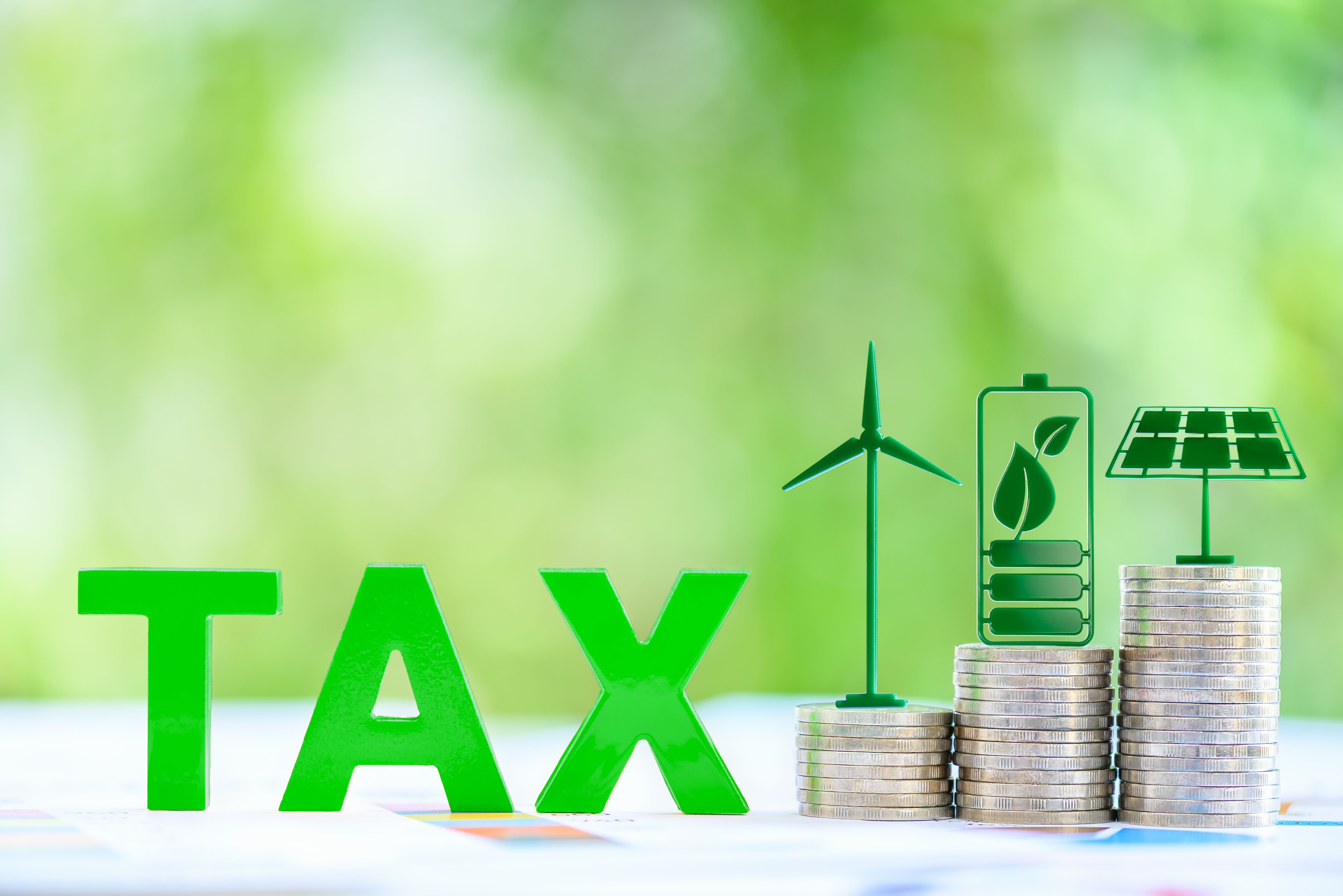
It's essential for homeowners to stay informed about local regulations and available support to maximize the benefits of energy-efficient improvements.
Conclusion
In summary, energy ratings play a crucial role in promoting sustainable living in Milan. By understanding and improving these ratings, homeowners can reduce their environmental impact, save on energy costs, and increase their property's market value. Embracing energy efficiency is not only a personal benefit but a collective step towards a more sustainable future.