Navigating Recycling Rules in Paris Apartments


Understanding the Basics of Recycling in Paris
Recycling in Paris apartments can be a bit tricky for newcomers, but understanding the basic rules is essential for contributing to the city's sustainability efforts. Paris has a structured system in place to ensure that waste is properly sorted and recycled. Residents are encouraged to separate their waste into different categories, typically organized into colored bins.
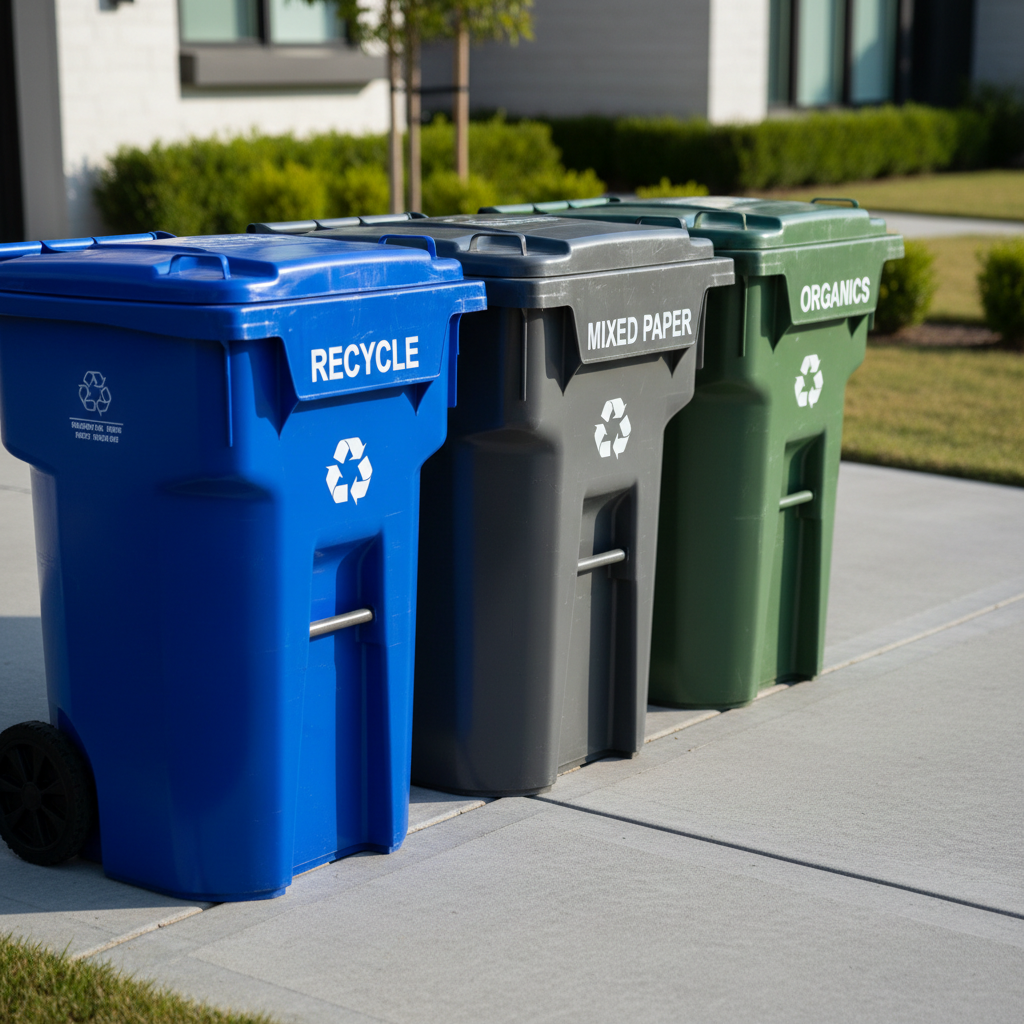
The main categories for recycling include paper, plastics, metals, and glass. Each category has its designated bin, often marked with specific colors such as yellow for plastics and metals, green for glass, and blue for paper. It's important to follow these guidelines to ensure that recyclables are processed correctly.
Sorting Your Waste Correctly
Sorting waste correctly is a crucial part of the recycling process. Here’s a simple guide to help you get started:
- Paper: Includes newspapers, magazines, and cardboard.
- Plastics and Metals: Beverage bottles, cans, and plastic containers.
- Glass: Bottles and jars, but not broken glass or mirrors.
It's essential to rinse containers before placing them in the recycling bin to prevent contamination. Contaminated recyclables can disrupt the recycling process and lead to more waste.
Special Considerations for Apartment Residents
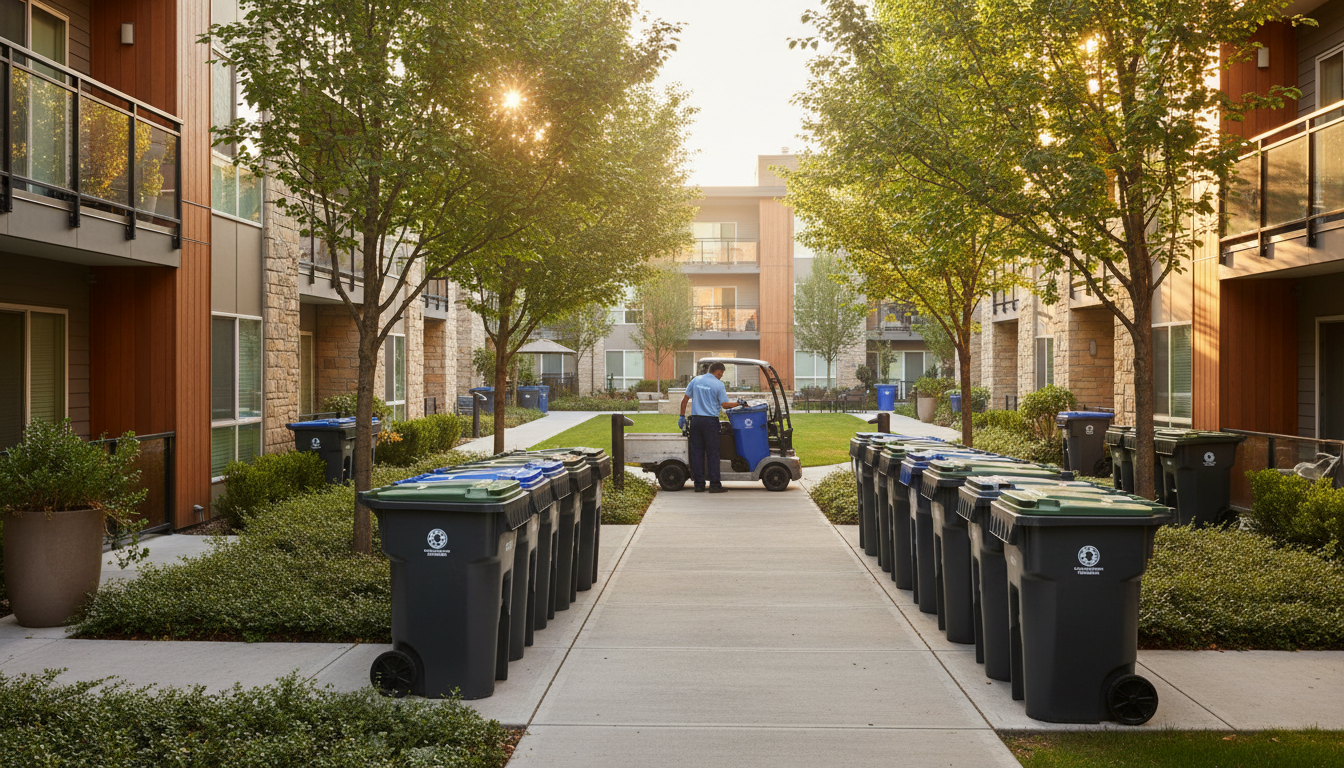
Living in an apartment in Paris may present additional challenges when it comes to recycling. Space constraints often mean limited room for multiple bins, but many apartment buildings provide shared recycling facilities to accommodate residents.
Check with your building management to understand where the communal recycling bins are located and any specific rules they might have. Some buildings may even have recycling schedules to manage waste collection efficiently.
Recycling Beyond the Basics
Beyond the basic categories, Paris also offers options for recycling other items such as electronics and textiles. Specialized collection points, known as "déchetteries," are available throughout the city for these materials. They provide a convenient way to dispose of items that cannot be placed in regular recycling bins.
Moreover, many supermarkets have collection points for batteries and small electronics, making it easier for residents to dispose of these items responsibly. Utilizing these resources helps reduce environmental impact and supports a circular economy.
Common Mistakes to Avoid
Even with the best intentions, mistakes can happen. A common error is placing non-recyclable items in the recycling bin, which can lead to contamination. Items like plastic bags, polystyrene, and food waste should be avoided in recycling bins.
Another mistake is "wishcycling," the act of placing an item in the recycling bin with the hope that it is recyclable. To prevent this, familiarize yourself with local guidelines and avoid guessing.

Staying Informed and Engaged
Staying informed about recycling rules can make a significant difference. Paris frequently updates its recycling guidelines, so it's beneficial to keep an eye on local notices or websites for any changes. Engaging with community initiatives can also provide valuable insights and support.
Participating in local workshops or events can enhance your understanding of recycling practices and connect you with like-minded individuals. By staying engaged, you contribute to a more sustainable community.